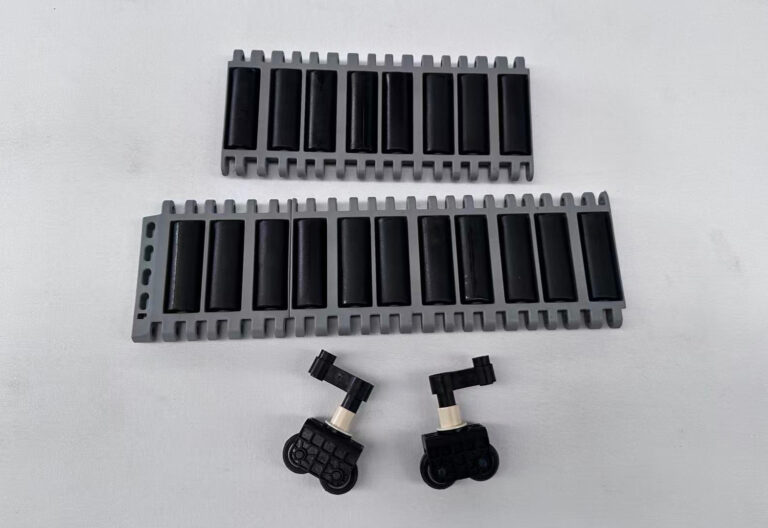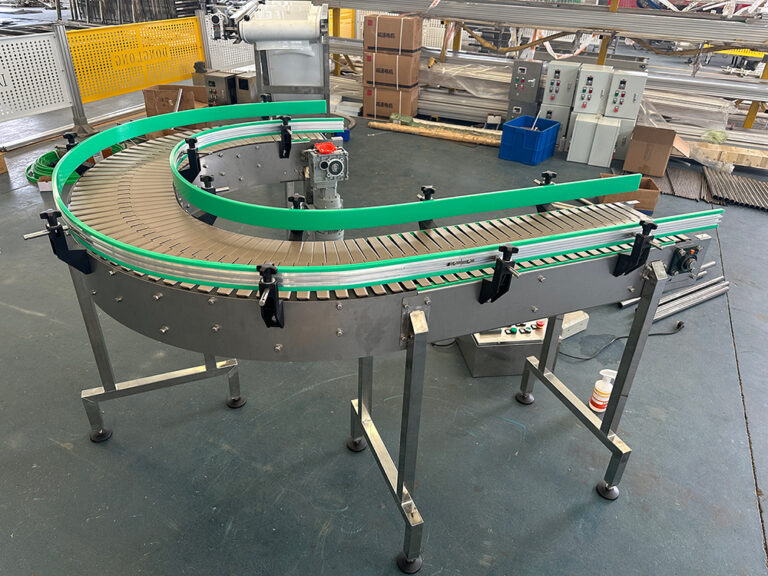

Flat-type modular belt
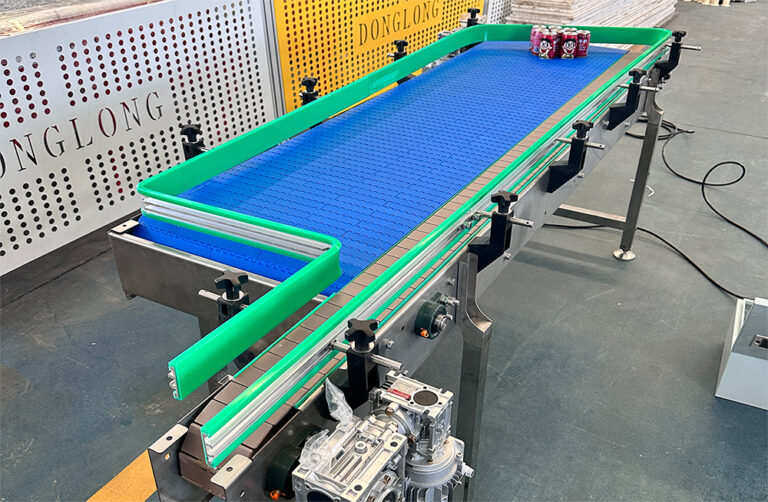
Flat-grid modules are indispensable conveyor devices in many industries due to their unique structure and materials. They are usually made of engineering plastics such as polypropylene (PP), polyethylene (PE), and polyoxymethylene (POM), employing a modular design and assembled through a hinge-pin structure, combining both strength and flexibility.
Below is a summary of its main application scenarios and corresponding advantages, for your quick reference:
Food Processing: Good hygiene, corrosion-resistant, easy to clean, high stability, high permeability/airflow
Beverage production: high stability, corrosion-resistant
Packaging and logistics: Good wear resistance and excellent load-bearing capacity
Electronics, chemical, pharmaceutical: anti-static, corrosion-resistant, high cleanliness
Other industrial sectors: versatile and highly adaptable
Hygiene, Safety, and Environmental Protection
The plastic materials used in the Pingge modular belt comply with food hygiene standards (such as FDA/USDA). They have a smooth surface, no capillaries, are resistant to blood, grease, and other contaminants, and do not absorb impurities. This makes them highly suitable for industries with strict hygiene requirements, such as food and pharmaceuticals. Its easy-to-clean feature supports clean-in-place (CIP) cleaning, helping to reduce bacterial growth. In addition, the plastic material is recyclable, aligning with environmental protection trends, and operates with low noise. The product is lightweight, reducing the power consumption of the drive motor and making operation more energy-efficient. In environments sensitive to static electricity (such as electronics and chemicals), it effectively reduces the risk of static. Custom antistatic (conductive) materials can also be provided according to customer requirements.
High Strength and Durability
Each module features an interlocking design and is assembled with pin connections, making the structure robust, capable of bearing heavy loads, and resistant to deformation. Made of engineering plastics, it offers excellent wear resistance, corrosion resistance (against acids, alkalis, and chemicals), and impact resistance, ensuring a long service life.
Easy Maintenance and Cost-Effectiveness
The modular design allows for the replacement of a single module in case of local damage, without having to discard the entire conveyor belt. Maintenance is quick and convenient, reducing downtime and lowering maintenance costs. Its lightweight characteristics make installation and handling easier, while also reducing the energy consumption of the drive
How to choose a module belt
When selecting a module, multiple factors need to be considered to ensure it meets specific application requirements. You can refer to the following points:
- Product Features: The product’s shape, size, weight, and bottom material (such as flat bottom, irregular bottom, or round bottom) are the primary factors to consider. For example, a flat grid type is suitable for flat-bottomed products, while a raised rib type is better for preventing round items from rolling.
- Process Requirements:
· Process Flow: Consider whether climbing (taking friction and baffles into account), turning, drainage (choose perforation rate), draining, ventilation cooling, or heating is needed.
·Hygiene Level: Industries such as food and pharmaceuticals have high hygiene requirements, so it is necessary to choose conveyor belts that are easy to clean thoroughly and made of materials that meet hygiene standards (e.g., FDA-certified materials).
- Operating Environment: Consider the environmental temperature (heat-resistant or cold-resistant), humidity, and whether corrosive chemicals (such as acids, alkalis, or oils) are present. Select materials with corresponding corrosion resistance, high temperature resistance, and wear resistance.
- Cost-effectiveness: While meeting usage requirements, comprehensively consider the initial investment, maintenance and replacement costs (modular designs are usually more economical), and service life.
The flat-top modular belt has become an ideal choice for many industries and applications due to its excellent hygiene, high strength and durability, flexible design, stable operation, ease of maintenance, and good cost-effectiveness.