
Introduction
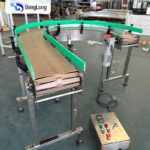
Plastic modular belts are widely used in modern conveyor systems because of their durability, flexibility, and easy maintenance. They are commonly found in food processing, packaging, logistics, beverage production, pharmaceutical manufacturing, automotive production, and industrial automation applications.
Compared with traditional conveyor belts, plastic modular belts feature a modular structure that allows individual sections to be replaced instead of replacing the entire belt. This design helps reduce downtime, lower maintenance costs, and improve production efficiency.
However, even high-quality plastic modular belts require proper maintenance to achieve their maximum service life. Regular inspection, cleaning, correct alignment, and timely replacement of damaged components are essential for maintaining reliable conveyor performance.
This guide explains the most important plastic modular belt maintenance methods and practical tips to help extend belt service life.
Why Plastic Modular Belt Maintenance Is Important
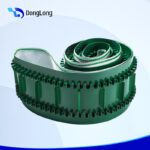
A plastic modular belt consists of multiple plastic modules connected by hinge rods and driven by sprockets. This structure provides excellent flexibility and repair convenience.
Without proper maintenance, problems such as belt wear, tracking issues, sprocket damage, and unstable conveying may occur.
Regular maintenance can provide the following benefits: <ul> <li>Extend plastic modular belt service life</li> <li>Reduce unexpected downtime</li> <li>Improve conveyor stability</li> <li>Lower replacement costs</li> <li>Prevent product damage</li> <li>Increase production efficiency</li> </ul>
Regular Inspection of Plastic Modular Belts
Check Belt Modules and Hinge Rods
The first step in conveyor maintenance is regular visual inspection.
Operators should check: <ul> <li>Broken or cracked modules</li> <li>Missing hinge rods</li> <li>Excessive wear on belt surfaces</li> <li>Damaged belt edges</li> <li>Loose connections</li> </ul>
Small damage should be repaired immediately to prevent larger failures.
Check Conveyor Running Condition
During operation, pay attention to: <ul> <li>Abnormal noise</li> <li>Belt vibration</li> <li>Uneven movement</li> <li>Product instability</li> <li>Belt deviation</li> </ul>
Early detection helps avoid expensive repairs and production interruptions.
Keep Plastic Modular Belts Clean
Cleaning is especially important for industries such as food processing, beverage production, and pharmaceuticals.
Product residue, dust, oil, and debris may affect belt performance and increase wear.
Recommended Cleaning Methods
<ul> <li>Remove product residue regularly</li> <li>Clean belt surfaces according to application requirements</li> <li>Remove debris around sprockets and wear strips</li> <li>Use suitable cleaning agents</li> <li>Rinse thoroughly after chemical cleaning</li> </ul>
Different materials have different chemical resistance. Always confirm compatibility before using cleaning chemicals.
Maintain Sprockets and Drive Components
The sprocket is one of the most important components in a modular conveyor system.
Plastic modular belts rely on sprocket engagement for stable movement.
Regularly Check:
<ul> <li>Sprocket tooth wear</li> <li>Sprocket alignment</li> <li>Drive shaft condition</li> <li>Bearing operation</li> <li>Drive system performance</li> </ul>
Worn sprockets can cause uneven movement, increased belt wear, and reduced service life.
Maintain Correct Belt Tracking
Proper tracking is essential for smooth conveyor operation.
Incorrect tracking may cause: <ul> <li>Edge wear</li> <li>Module damage</li> <li>Unstable conveying</li> <li>Shortened belt life</li> </ul>
Common causes include: <ul> <li>Improper conveyor alignment</li> <li>Uneven support structure</li> <li>Dirty conveyor components</li> <li>Damaged sprockets</li> </ul>
Regular inspection of the conveyor structure helps maintain stable belt operation.
Avoid Overloading the Conveyor
Every plastic modular belt has a recommended load capacity.
Operating beyond the designed load may damage: <ul> <li>Modules</li> <li>Hinge rods</li> <li>Sprockets</li> <li>Drive components</li> </ul>
To prevent overload problems: <ul> <li>Select the correct belt series</li> <li>Confirm product weight before installation</li> <li>Avoid sudden heavy impacts</li> <li>Operate within recommended capacity</li> </ul>
Replace Damaged Modules in Time
One of the biggest advantages of plastic modular belts is easy repair.
Damaged sections can usually be replaced individually without changing the complete belt.
Replace modules when: <ul> <li>Modules are cracked</li> <li>Hinge rods are damaged</li> <li>Belt sections show excessive wear</li> <li>Product transportation becomes unstable</li> </ul>
Timely replacement helps prevent further damage and reduces maintenance costs.
Choose the Right Belt Material
The selected plastic material directly affects belt performance.
PP Modular Belt
Polypropylene (PP) belts provide good chemical resistance and are widely used in general industrial and food applications.
PE Modular Belt
Polyethylene (PE) belts provide excellent low-temperature performance and are suitable for cooling and freezing applications.
POM Modular Belt
Polyoxymethylene (POM) belts provide high strength, low friction, and excellent wear resistance for heavy-duty applications.
Common Plastic Modular Belt Problems and Solutions
| Problem | Possible Cause | Solution |
|---|---|---|
| Belt deviation | Alignment problems | Check conveyor alignment |
| Excessive wear | Wrong belt selection | Choose suitable material |
| Abnormal noise | Damaged modules or sprockets | Inspect components |
| Poor conveying stability | Incorrect belt design | Select proper belt structure |
| Frequent damage | Overloading | Reduce load |
Maintenance Checklist
Regular maintenance checklist: <ul> <li>Inspect modules and hinge rods</li> <li>Clean belt surfaces</li> <li>Check sprocket wear</li> <li>Inspect wear strips</li> <li>Confirm belt alignment</li> <li>Replace damaged parts</li> <li>Record maintenance history</li> </ul>
How to Extend Plastic Modular Belt Service Life
The service life of a modular belt depends on many factors.
To maximize belt lifespan: <ul> <li>Select the correct belt type</li> <li>Choose suitable belt material</li> <li>Install the conveyor correctly</li> <li>Maintain proper alignment</li> <li>Avoid overload operation</li> <li>Clean the belt regularly</li> <li>Perform preventive maintenance</li> </ul>
Applications Requiring Regular Belt Maintenance
Food Processing Industry
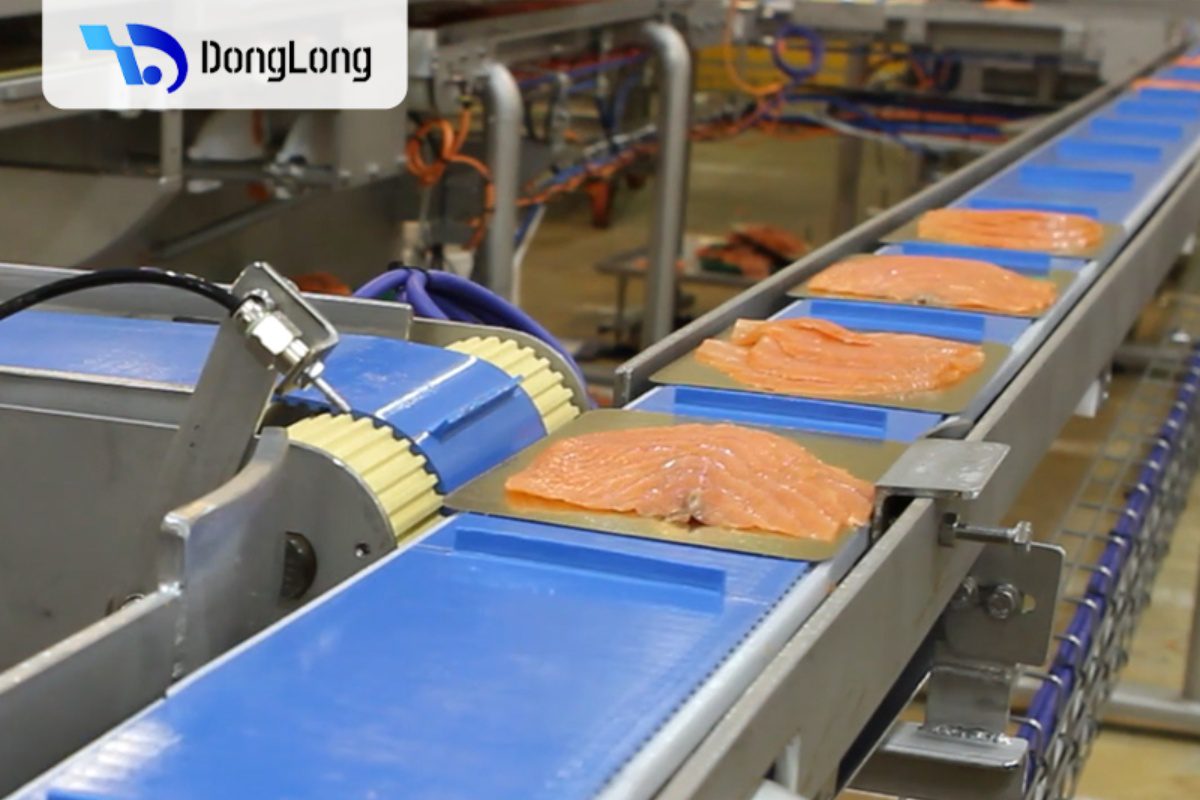
Food production lines require frequent cleaning and inspection. Flat grid and perforated modular belts are commonly used because they provide excellent drainage and hygiene performance.
Packaging Industry
Packaging conveyors require stable operation and accurate product positioning. Proper belt maintenance helps reduce downtime.
Logistics Industry
Automated sorting systems depend on reliable conveyor performance. Roller top modular belts require regular inspection of rollers and drive components.
Automotive Manufacturing
Heavy-duty modular belts transport automotive components and production materials. Correct maintenance helps maintain long-term operation.
Conclusion
Proper maintenance is essential for extending plastic modular belt service life. Regular inspection, cleaning, sprocket maintenance, correct tracking, and timely replacement of damaged modules can significantly improve conveyor reliability.
By selecting the right belt design and following proper maintenance procedures, manufacturers can reduce operating costs, minimize downtime, and improve production efficiency.
DongLong provides plastic modular belts, conveyor components, sprockets, and customized conveyor solutions for food processing, packaging, logistics, automotive manufacturing, and industrial automation applications.
FAQ
How often should a plastic modular belt be inspected?
Inspection frequency depends on operating conditions, load, speed, and working environment. Regular visual inspection is recommended for continuous production lines.
Can damaged modular belt sections be replaced?
Yes. Individual modules or sections can usually be replaced without replacing the complete belt.
Do plastic modular belts require lubrication?
Most plastic modular belts are designed for low-maintenance operation and normally do not require traditional lubrication.
What causes premature modular belt wear?
Common causes include incorrect belt selection, overload, poor tracking, damaged sprockets, and improper cleaning.



 English
 简体中文
简体中文