塑料模块化输送带选购指南:如何选择最佳的输送带解决方案

引言

Selecting the right conveyor belt is an important decision for any industrial production system. A suitable conveyor belt can improve production efficiency, reduce maintenance costs, and ensure stable long-term operation.

Plastic modular belts have become one of the most popular conveyor solutions in modern industries due to their durability, flexible design, easy maintenance, and wide range of applications.

However, different production environments require different belt structures, materials, and designs. Choosing the wrong modular belt may result in higher maintenance costs, unstable conveying performance, and reduced equipment efficiency.

This plastic modular belt buying guide explains the key factors to consider when selecting a conveyor belt solution, helping you choose the right plastic modular belt according to your application requirements.


什么是塑料模块化输送带?

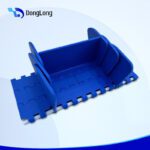
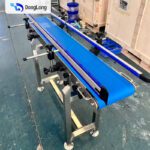
A plastic modular belt is a conveyor belt assembled from individual plastic modules connected by hinge rods. Unlike traditional PVC or rubber conveyor belts, modular belts use a sprocket-driven system to provide stable and reliable operation.

One of the biggest advantages of plastic modular belts is their modular structure. When a section becomes damaged, only the affected modules need to be replaced instead of replacing the entire belt. This helps reduce downtime and lower maintenance costs.

Plastic modular belts are commonly manufactured from engineering plastics such as:

  • Polypropylene (PP)
  • Polyethylene (PE)
  • Polyoxymethylene (POM)

Different materials provide different performance characteristics, including wear resistance, temperature resistance, chemical resistance, and load capacity.

Plastic modular belts are widely used in:

  • Food processing
  • Beverage production
  • Packaging
  • Logistics
  • Pharmaceutical manufacturing
  • Automotive production
  • Industrial automation

为什么选择塑料模块化输送带?

Compared with traditional conveyor belts, plastic modular belts provide several advantages for modern production systems.

Easy Maintenance

The modular structure makes maintenance faster and more economical.

When belt damage occurs, operators can replace individual modules instead of changing the complete conveyor belt.

Benefits include:

  • Reduced downtime
  • Lower replacement costs
  • Faster maintenance
  • Easier troubleshooting

Long Service Life

Plastic modular belts are manufactured from durable engineering plastics that provide excellent wear resistance and impact resistance.

With proper selection and maintenance, modular belts can operate reliably for many years even in demanding industrial environments.


Flexible Conveyor Layouts

Plastic modular belts can be used for different conveyor configurations, including:

  • Straight conveyors
  • Inclined conveyors
  • Declined conveyors
  • Curved conveyors
  • Spiral conveyors

This flexibility makes them suitable for factories with complex production layouts.


Hygienic Performance

For industries such as food processing and pharmaceuticals, hygiene is a critical requirement.

Plastic modular belts offer:

  • Easy cleaning
  • Corrosion resistance
  • Food-grade material options
  • 出色的排水性能

Open-grid and perforated designs allow water and cleaning solutions to pass through easily, improving sanitation efficiency.


Key Factors When Selecting a Plastic Modular Belt

Choosing the correct plastic modular belt requires consideration of several important factors.


1. Consider Your Product Type

The first step is understanding the products being transported.

Important factors include:

  • Product weight
  • Product size
  • Product shape
  • Product surface condition
  • Packaging type

Different products require different belt structures.

For example:

Small Products

Recommended:

  • 平顶模块化输送带
  • Fine surface modular belt

These provide better support and prevent small products from falling through.

Wet Products

Recommended:

  • 平板网格模块化输送带
  • 穿孔模块化输送带

These provide better drainage and ventilation.

Products Requiring Sorting or Rotation

Recommended:

  • 滚轮顶部模块化输送带

These allow products to rotate, align, and transfer during transportation.


2. Select the Right Belt Surface Design

Plastic modular belts are available with different surface structures to meet different application requirements.

平顶模块化输送带

Flat Top Modular Belts feature a smooth and closed conveying surface.

Main advantages:

  • Stable product support
  • Smooth transportation
  • Easy cleaning
  • Suitable for packaged products

Typical applications:

  • Packaging lines
  • Beverage production
  • Electronics assembly
  • Carton transportation

平板网格模块化输送带

Flat Grid Modular Belts feature an open-grid structure that allows air, water, and debris to pass through.

Main advantages:

  • Excellent drainage
  • Better airflow
  • Easy cleaning
  • Suitable for washing and cooling

Typical applications:

  • Food processing
  • Seafood processing
  • Vegetable washing
  • Freezing systems

滚轮顶部模块化输送带

Roller Top Modular Belts include integrated rollers on the belt surface.

Main advantages:

  • Product alignment
  • Sorting capability
  • Reduced friction
  • Automatic transfer

Typical applications:

  • Logistics systems
  • Warehouse automation
  • Sorting equipment
  • Packaging systems

穿孔模块化输送带

Perforated Modular Belts feature small openings across the belt surface.

Main advantages:

  • Efficient drainage
  • Improved ventilation
  • Easy cleaning

Typical applications:

  • Food washing
  • Drying systems
  • Cleaning equipment

车削模块化皮带

Turning Modular Belts are designed for curved conveyor systems.

Main advantages:

  • Space-saving design
  • Smooth corner transportation
  • Flexible conveyor layouts

Typical applications:

  • Beverage production
  • Packaging systems
  • Factory automation

3. Choose the Correct Belt Material

Material selection directly affects belt performance and service life.

The most common plastic modular belt materials include PP, PE, and POM.


PP Modular Belt (Polypropylene)

PP is one of the most widely used modular belt materials.

Advantages:

  • Good chemical resistance
  • Good moisture resistance
  • Food-grade options available
  • 高性价比的解决方案

Suitable applications:

  • Food processing
  • Packaging
  • Beverage production
  • General conveying

PE Modular Belt (Polyethylene)

PE provides excellent low-temperature performance and impact resistance.

Advantages:

  • Excellent cold resistance
  • Good impact strength
  • Suitable for freezing environments

Suitable applications:

  • Frozen food production
  • Cold storage
  • Seafood processing
  • Refrigeration systems

POM Modular Belt (Polyoxymethylene)

POM is a high-performance engineering plastic designed for demanding applications.

Advantages:

  • High mechanical strength
  • Excellent wear resistance
  • Low friction performance
  • 使用寿命长

Suitable applications:

  • Automotive manufacturing
  • Heavy-duty conveyors
  • High-speed production lines
  • Industrial automation

4. Check Load Capacity Requirements

Load capacity is an important factor when selecting a modular belt.

Consider:

  • Product weight
  • Belt width
  • Conveyor length
  • 输送带速度
  • Support structure

Heavy-duty applications may require:

  • Stronger belt series
  • POM material
  • Reinforced conveyor structures

Selecting a belt with insufficient load capacity may cause premature wear and reduced service life.


5. Consider Operating Temperature

Temperature conditions directly affect belt performance.

Low Temperature Applications

Recommended:

  • PE 模块化输送带

Applications:

  • Freezing systems
  • Cold storage
  • Refrigerated production lines

Normal Temperature Applications

Recommended:

  • PP 模块化输送带

Applications:

  • Packaging
  • Food production
  • General industrial conveying

Heavy-Duty Applications

Recommended:

  • POM 模块化皮带

Applications:

  • Automotive
  • Industrial automation
  • High-load production systems

6. Evaluate Conveyor Layout

The conveyor design determines the suitable belt type.

直线输送机

Recommended:

  • 平顶模块化输送带
  • 平板网格模块化输送带

Curved Conveyor

Recommended:

  • 车削模块化皮带

Inclined Conveyor

Recommended:

  • Rubber Top Modular Belt
  • Modular Belt with Flights

Sorting Conveyor

Recommended:

  • 滚轮顶部模块化输送带

7. Consider Hygiene and Cleaning Requirements

For food processing and pharmaceutical industries, cleaning requirements are extremely important.

Consider:

  • Cleaning frequency
  • Cleaning chemicals
  • Drainage requirements
  • Hygiene standards

Recommended belt types:

  • 平板网格模块化输送带
  • 穿孔模块化输送带
  • Food-grade Flat Top Modular Belt

8. Check Conveyor Component Compatibility

A complete modular conveyor system includes more than just the belt.

Important components include:

  • Sprockets
  • Wear strips
  • Shafts
  • Bearings
  • Conveyor frame

The belt and conveyor components must be properly matched to ensure smooth operation and long service life.


Plastic Modular Belt Selection Guide

Application RequirementRecommended Belt Type
Stable product transportation平顶模块化输送带
Food washing and drainage平板网格模块化输送带
Product sorting and alignment滚轮顶部模块化输送带
Cooling and drying凸肋模块化输送带
Cleaning applications穿孔模块化输送带
Curved transportation车削模块化皮带
Inclined conveyingRubber Top / Flight Belt

Common Mistakes When Buying Plastic Modular Belts

Choosing Only Based on Price

The lowest price is not always the most economical choice.

A suitable belt should consider:

  • Service life
  • Maintenance cost
  • Operating stability
  • Application requirements

Selecting the Wrong Material

Incorrect material selection may cause:

  • Faster wear
  • Reduced strength
  • Deformation
  • Shorter service life

Ignoring Conveyor Design

The belt must match:

  • Conveyor structure
  • Sprocket system
  • Load conditions
  • Operating environment

Not Considering Future Requirements

A good conveyor solution should consider future production expansion and automation upgrades.


如何延长塑料模块化输送带的使用寿命

To maximize belt performance:

  • Select the correct belt type
  • 选择合适的材料
  • Maintain proper alignment
  • Clean the belt regularly
  • Inspect sprockets and modules
  • Avoid overload operation
  • Replace damaged components quickly

Proper maintenance can significantly reduce operating costs and improve conveyor reliability.


Applications of Plastic Modular Belts

食品加工业

Plastic modular belts are widely used in:

  • Meat processing
  • Seafood processing
  • Vegetable washing
  • Bakery production
  • Food packaging

Their hygienic design and easy cleaning performance make them ideal for food production environments.


包装行业

Packaging lines require stable and accurate product transportation.

Applications include:

  • Carton conveying
  • Bottle transportation
  • Product packaging
  • Inspection systems

物流行业

Plastic modular belts support modern automated logistics systems.

Applications include:

  • Sorting systems
  • Warehouse automation
  • Distribution centers
  • Parcel handling

汽车制造

Heavy-duty modular belts are suitable for transporting:

  • Automotive components
  • Production materials
  • Industrial containers

They provide stable operation and excellent wear resistance.


结论

Choosing the right plastic modular belt requires careful consideration of product characteristics, belt structure, material, load capacity, temperature, hygiene requirements, and conveyor design.

The correct modular belt solution can improve production efficiency, reduce maintenance costs, and extend conveyor system service life.

DongLong provides a wide range of plastic modular belts, conveyor components, and customized conveyor solutions for food processing, packaging, logistics, automotive manufacturing, and industrial automation industries.

Our professional team can help customers select the most suitable conveyor belt solution according to different application requirements.


常见问题

What is the best plastic modular belt?

There is no single best modular belt for every application. The correct choice depends on product requirements, operating conditions, load capacity, and conveyor design.


Which plastic modular belt is suitable for food processing?

Flat Grid Modular Belts and Perforated Modular Belts are commonly used for food processing because they provide excellent drainage and easy cleaning.


What is the difference between PP and POM modular belts?

PP provides good chemical resistance and cost efficiency, while POM provides higher strength, better wear resistance, and lower friction.


Can plastic modular belts be used for curved conveyors?

Yes. Turning Modular Belts are specifically designed for curved conveyor systems and space-saving layouts.


How do I choose the correct modular belt?

You should consider product type, belt surface design, material, load capacity, temperature, cleaning requirements, and conveyor layout before selecting a modular belt.

How to Choose the Right Modular Belt Pitch for Your Conveyor System

How to Choose the Right Modular Belt Pitch for Your Conveyor System

Introduction When selecting a plastic modular belt, many buyers focus on belt material, surface type, or load capacity. However, one […]

塑料模块化输送带选购指南:如何选择最佳的输送带解决方案

塑料模块化输送带选购指南:如何选择最佳的输送带解决方案

引言 选择合适的输送带对于任何工业生产系统而言都是一项重要决策。合适的输送带可以[…]

塑料模块化输送带维护指南:如何延长输送带使用寿命

塑料模块化输送带维护指南:如何延长输送带使用寿命

引言 塑料模块化输送带因其耐用、灵活且易于维护,被广泛应用于现代输送系统中。它们[…]

留言
电话 +86 13573105887
电子邮件 sale@dlte.cn
WhatsApp +86 13573105887
返回顶部

所有产品

联系我们

留言