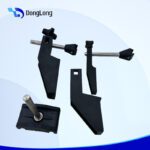
塑料模块化输送带维护指南:如何延长输送带使用寿命

引言

Plastic modular belts are widely used in modern conveyor systems because of their durability, flexibility, and easy maintenance. They are commonly found in food processing, packaging, logistics, beverage production, pharmaceutical manufacturing, automotive production, and industrial automation applications.

Compared with traditional conveyor belts, plastic modular belts feature a modular structure that allows individual sections to be replaced instead of replacing the entire belt. This design helps reduce downtime, lower maintenance costs, and improve production efficiency.

However, even high-quality plastic modular belts require proper maintenance to achieve their maximum service life. Regular inspection, cleaning, correct alignment, and timely replacement of damaged components are essential for maintaining reliable conveyor performance.

This guide explains the most important plastic modular belt maintenance methods and practical tips to help extend belt service life.


Why Plastic Modular Belt Maintenance Is Important

A plastic modular belt consists of multiple plastic modules connected by hinge rods and driven by sprockets. This structure provides excellent flexibility and repair convenience.

Without proper maintenance, problems such as belt wear, tracking issues, sprocket damage, and unstable conveying may occur.

Regular maintenance can provide the following benefits: <ul> <li>Extend plastic modular belt service life</li> <li>Reduce unexpected downtime</li> <li>Improve conveyor stability</li> <li>Lower replacement costs</li> <li>Prevent product damage</li> <li>Increase production efficiency</li> </ul>


Regular Inspection of Plastic Modular Belts

Check Belt Modules and Hinge Rods

The first step in conveyor maintenance is regular visual inspection.

Operators should check: <ul> <li>Broken or cracked modules</li> <li>Missing hinge rods</li> <li>Excessive wear on belt surfaces</li> <li>Damaged belt edges</li> <li>Loose connections</li> </ul>

Small damage should be repaired immediately to prevent larger failures.


Check Conveyor Running Condition

During operation, pay attention to: <ul> <li>Abnormal noise</li> <li>Belt vibration</li> <li>Uneven movement</li> <li>Product instability</li> <li>Belt deviation</li> </ul>

Early detection helps avoid expensive repairs and production interruptions.


Keep Plastic Modular Belts Clean

Cleaning is especially important for industries such as food processing, beverage production, and pharmaceuticals.

Product residue, dust, oil, and debris may affect belt performance and increase wear.

Recommended Cleaning Methods

<ul> <li>Remove product residue regularly</li> <li>Clean belt surfaces according to application requirements</li> <li>Remove debris around sprockets and wear strips</li> <li>Use suitable cleaning agents</li> <li>Rinse thoroughly after chemical cleaning</li> </ul>

Different materials have different chemical resistance. Always confirm compatibility before using cleaning chemicals.


Maintain Sprockets and Drive Components

The sprocket is one of the most important components in a modular conveyor system.

Plastic modular belts rely on sprocket engagement for stable movement.

Regularly Check:

<ul> <li>Sprocket tooth wear</li> <li>Sprocket alignment</li> <li>Drive shaft condition</li> <li>Bearing operation</li> <li>Drive system performance</li> </ul>

Worn sprockets can cause uneven movement, increased belt wear, and reduced service life.


Maintain Correct Belt Tracking

Proper tracking is essential for smooth conveyor operation.

Incorrect tracking may cause: <ul> <li>Edge wear</li> <li>Module damage</li> <li>Unstable conveying</li> <li>Shortened belt life</li> </ul>

Common causes include: <ul> <li>Improper conveyor alignment</li> <li>Uneven support structure</li> <li>Dirty conveyor components</li> <li>Damaged sprockets</li> </ul>

Regular inspection of the conveyor structure helps maintain stable belt operation.


Avoid Overloading the Conveyor

Every plastic modular belt has a recommended load capacity.

Operating beyond the designed load may damage: <ul> <li>Modules</li> <li>Hinge rods</li> <li>Sprockets</li> <li>Drive components</li> </ul>

To prevent overload problems: <ul> <li>Select the correct belt series</li> <li>Confirm product weight before installation</li> <li>Avoid sudden heavy impacts</li> <li>Operate within recommended capacity</li> </ul>


Replace Damaged Modules in Time

One of the biggest advantages of plastic modular belts is easy repair.

Damaged sections can usually be replaced individually without changing the complete belt.

Replace modules when: <ul> <li>Modules are cracked</li> <li>Hinge rods are damaged</li> <li>Belt sections show excessive wear</li> <li>Product transportation becomes unstable</li> </ul>

Timely replacement helps prevent further damage and reduces maintenance costs.


Choose the Right Belt Material

The selected plastic material directly affects belt performance.

PP Modular Belt

Polypropylene (PP) belts provide good chemical resistance and are widely used in general industrial and food applications.

PE Modular Belt

Polyethylene (PE) belts provide excellent low-temperature performance and are suitable for cooling and freezing applications.

POM Modular Belt

Polyoxymethylene (POM) belts provide high strength, low friction, and excellent wear resistance for heavy-duty applications.


Common Plastic Modular Belt Problems and Solutions

ProblemPossible CauseSolution
Belt deviationAlignment problemsCheck conveyor alignment
Excessive wearWrong belt selectionChoose suitable material
Abnormal noiseDamaged modules or sprocketsInspect components
Poor conveying stabilityIncorrect belt designSelect proper belt structure
Frequent damageOverloadingReduce load

Maintenance Checklist

Regular maintenance checklist: <ul> <li>Inspect modules and hinge rods</li> <li>Clean belt surfaces</li> <li>Check sprocket wear</li> <li>Inspect wear strips</li> <li>Confirm belt alignment</li> <li>Replace damaged parts</li> <li>Record maintenance history</li> </ul>


How to Extend Plastic Modular Belt Service Life

The service life of a modular belt depends on many factors.

To maximize belt lifespan: <ul> <li>Select the correct belt type</li> <li>Choose suitable belt material</li> <li>Install the conveyor correctly</li> <li>Maintain proper alignment</li> <li>Avoid overload operation</li> <li>Clean the belt regularly</li> <li>Perform preventive maintenance</li> </ul>


Applications Requiring Regular Belt Maintenance

食品加工业

Food production lines require frequent cleaning and inspection. Flat grid and perforated modular belts are commonly used because they provide excellent drainage and hygiene performance.


包装行业

Packaging conveyors require stable operation and accurate product positioning. Proper belt maintenance helps reduce downtime.


Logistics Industry

Automated sorting systems depend on reliable conveyor performance. Roller top modular belts require regular inspection of rollers and drive components.


汽车制造

Heavy-duty modular belts transport automotive components and production materials. Correct maintenance helps maintain long-term operation.


结论

Proper maintenance is essential for extending plastic modular belt service life. Regular inspection, cleaning, sprocket maintenance, correct tracking, and timely replacement of damaged modules can significantly improve conveyor reliability.

By selecting the right belt design and following proper maintenance procedures, manufacturers can reduce operating costs, minimize downtime, and improve production efficiency.

DongLong provides plastic modular belts, conveyor components, sprockets, and customized conveyor solutions for food processing, packaging, logistics, automotive manufacturing, and industrial automation applications.


常见问题解答

How often should a plastic modular belt be inspected?

Inspection frequency depends on operating conditions, load, speed, and working environment. Regular visual inspection is recommended for continuous production lines.


损坏的模块化皮带段可以更换吗?

Yes. Individual modules or sections can usually be replaced without replacing the complete belt.


Do plastic modular belts require lubrication?

Most plastic modular belts are designed for low-maintenance operation and normally do not require traditional lubrication.


What causes premature modular belt wear?

Common causes include incorrect belt selection, overload, poor tracking, damaged sprockets, and improper cleaning.

塑料模块化输送带维护指南:如何延长输送带使用寿命

塑料模块化输送带维护指南:如何延长输送带使用寿命

引言 塑料模块化输送带因其耐用、灵活且易于维护,被广泛应用于现代输送系统中。它们[…]

塑料模块化输送带的类型及其应用

塑料模块化输送带的类型及其应用

塑料模块化输送带已成为现代制造业中应用最广泛的输送解决方案之一。与传统的[…]相比,

塑料模块化输送带与PVC输送带:哪一种更好?

塑料模块化输送带与PVC输送带:哪一种更好?

选择合适的输送带对于提高生产效率、降低维护成本以及确保产品运输稳定至关重要。塑料[…]

留言
电话 +86 13573105887
电子邮件 sale@dlte.cn
WhatsApp +86 13573105887
返回顶部

所有产品

联系我们

留言